

FAQ: Vision Therapy in Richland, WA
At Heaston and Thompson Vision Clinic, we provide personalized vision therapy in Richland, WA, to help children and adults improve eye coordination, focusing, tracking, and visual processing skills. Our approach addresses functional vision problems that traditional glasses or contact lenses alone may not correct. Below are frequently asked questions on vision therapy, binocular vision dysfunction, and visual skills development.
What is vision therapy and how does it work?
Vision therapy is a doctor-supervised treatment program designed to improve how the eyes and brain work together. Through individualized activities, we develop visual skills such as eye coordination, focusing, tracking, and depth perception while improving how these abilities work together to support everyday activities.
How do I know if I need vision therapy?
Individuals experiencing frequent headaches, double vision, difficulty reading, losing their place while reading, poor visual-motor coordination, or difficulty coordinating their eyes and body may benefit from a functional vision evaluation. We assess how your child's eyes work together and determine whether vision therapy can address the underlying visual difficulties.
Can adults benefit from vision therapy?
Yes. Vision therapy is not limited to children. Adults experiencing eye strain, focusing difficulties, double vision, or binocular vision problems can benefit from targeted treatment. We develop individualized programs to improve visual function and address symptoms that interfere with work, reading, and everyday activities.
Can vision therapy help with binocular vision dysfunction?
Vision therapy can be an effective treatment for certain binocular vision disorders, including convergence insufficiency, strabismus and amblyopia. These conditions occur when the eyes have difficulty working together efficiently, potentially affecting depth perception and spatial awareness. We evaluate eye alignment, coordination, and focusing abilities to determine the appropriate treatment for improving binocular vision.
Can vision therapy treat “lazy eye" or “crossed eyes”?
Vision therapy can play an important role in managing certain cases of amblyopia (commonly called lazy eye) and strabismus (commonly called crossed eyes). We evaluate each patient's visual development and eye alignment to determine whether therapeutic procedures, corrective lenses, or additional treatments are appropriate.
Can vision therapy improve eye tracking and double vision?
Vision therapy can address specific eye movement and coordination problems that interfere with tracking visual information and maintaining comfortable binocular vision. These abilities help us locate, follow, and interact with objects in our environment. Our team evaluates how accurately the eyes move, follow objects, and maintain alignment before recommending treatment. Depending on the underlying cause, double vision can be treated by an individualized vision therapy program.
Can vision therapy help children with reading difficulties?
Vision therapy addresses visual problems that can make reading more difficult, including difficulties with eye tracking, focusing, and binocular coordination. These visual abilities help support the efficient acquisition and interpretation of information during reading. We identify these challenges and develop treatment plans to improve visual efficiency. Vision therapy does not treat dyslexia or learning disabilities directly, but it can address contributing visual problems.
Can vision therapy help with headaches and digital eye strain?
Yes, when symptoms are caused by focusing or eye coordination problems. Prolonged computer use and close-up activities can make these difficulties more noticeable, particularly when visual demands exceed an individual's ability to maintain comfortable and efficient visual function. Our eye doctors evaluate visual function to identify whether binocular vision dysfunction or focusing problems are contributing to headaches, tired eyes, or blurred vision.
Is vision therapy an option after a concussion?
Vision therapy is often an important part of the rehabilitation process for certain visual difficulties following a concussion or traumatic brain injury. These may include problems with eye tracking, focusing, visual coordination, spatial awareness, and integrating visual information with movement. We assess visual function and determine whether targeted treatment is appropriate alongside other recommended medical care.
What happens during a functional vision evaluation in Richland?
A functional vision evaluation goes beyond checking how clearly you see. Our providers examine functional vision skills including eye coordination, tracking, focusing, depth perception, and visual information processing. We also consider how visual difficulties may affect spatial awareness, coordination, and everyday activities. These findings help us identify specific challenges and determine whether a personalized vision therapy program is recommended.
What should I expect during vision therapy sessions?
Our vision therapy sessions involve individualized procedures designed to improve specific visual abilities and how they work together. Exercises may focus on eye coordination, focusing flexibility, tracking, spatial awareness, or visual processing. Activities are individualized to help patients apply these developing skills to everyday tasks and interactions with their environment. We typically incorporate home activities to reinforce progress between appointments.
How long does vision therapy take?
Treatment length depends on the visual condition, severity of symptoms, and individual progress. Vision therapy sessions are scheduled once per week and last approximately 45 minutes in duration. We establish personalized treatment goals and monitor improvements in visual function and everyday performance throughout the program.
Does insurance cover vision therapy?
Insurance coverage for vision therapy varies by provider, plan, and medical diagnosis. Some plans offer benefits for certain vision-related treatments, while others have exclusions. Our team can explain the recommended services so you can confirm coverage, financial responsibilities, and eligibility with your insurance provider.
Can sports vision training help athletes?
Sports vision training focuses on developing visual skills important for athletic performance, including eye-hand coordination, depth perception, visual tracking, spatial awareness, and reaction skills. These abilities help athletes interpret their environment, anticipate movement, make decisions, and coordinate their actions. Our evaluation process for athletes includes the Senaptec technology developed by Nike to assess visual performance and develop individualized training recommendations.
Why choose Heaston and Thompson Vision Clinic for vision therapy?
At Heaston and Thompson Vision Clinic, we recognize that vision involves more than simply seeing clearly. Vision helps us interpret our environment, understand spatial relationships, and guide our actions. We combine decades of optometric experience, specialized training in vision development, and personalized treatment plans to address visual difficulties and improve how individuals use visual information in everyday life.
If you or your child are experiencing eye coordination difficulties, focusing problems, or symptoms that interfere with everyday activities, contact Heaston and Thompson Vision Clinic in Richland, WA. Call (509) 943-3171 to schedule a comprehensive evaluation and learn how our personalized vision therapy services can help.

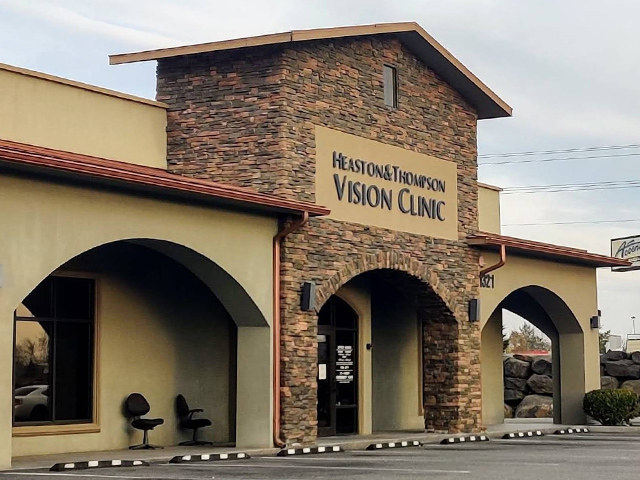

Contact Info
Office Address: 1321 Aaron Dr
Richland, WA 99352
Call Or Text(509) 943-3171
Office Hours
- Monday 8:00am - 5:00pm
- Tuesday 8:00am - 5:00pm
- Wednesday 8:00am - 5:00pm
- Thursday 8:00am - 5:00pm
- Friday 8:00am - 5:00pm
- Saturday Closed
- Sunday Closed
© 2026 Heaston & Thompson Vision Clinc. All rights Reserved. Accessibility Statement - Privacy Policy - Sitemap
Powered by:
